
Belarus, which is often called the “Land of White Rus,” is a nation located in Eastern Europe that doesn’t get as much international attention as it deserves. Aside from its beautiful scenery and cultural richness, Belarus has a lot of interesting facts that many people may not know about. Join me on a journey of exploration as we reveal some of the lesser-known aspects of this enchanting country.
Interesting Facts of Belarus-
Mir Castle Complex – UNESCO World Heritage Site
Primeval Forests of Białowieża
The Capital, Minsk
Khatyn Memorial Complex
The Land of Lakes
Diverse Cultural Heritage
Polotsk – One of the Oldest Cities in Belarus
The Belarusian Language
Nesvizh Castle – A UNESCO Marvel
The Great Patriotic War Museum in Minsk
Vibrant Festivals
Mir Castle Complex – UNESCO World Heritage Site:
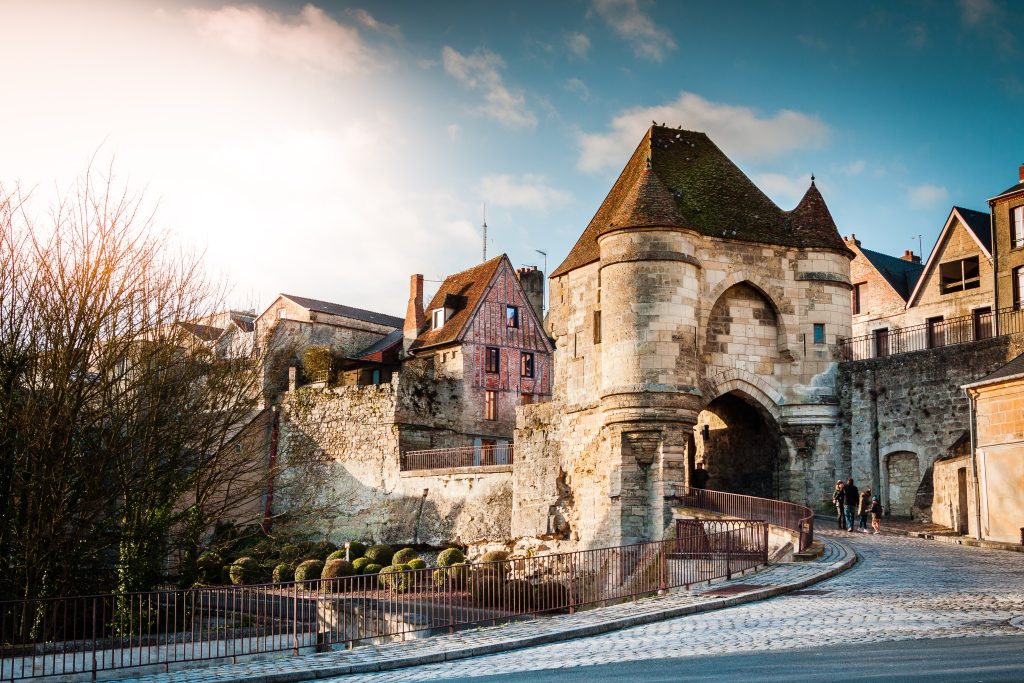
Nestled in the heart of Belarus, the Mir Castle Complex stands as a testament to the country’s rich cultural and architectural heritage. Dating back to the 16th century, this remarkable site has earned its place on the prestigious UNESCO World Heritage list. The castle is a splendid example of architectural fusion, seamlessly blending Gothic, Baroque, and Renaissance styles into a harmonious whole. Set against the backdrop of a tranquil lake and enveloped by lush parkland, the Mir Castle Complex is a captivating spectacle that transports visitors to a bygone era. Its stone walls, adorned with intricate detailing, tell the stories of centuries past. The castle’s design not only reflects the military function it once served but also encapsulates the aesthetic preferences of the Renaissance period. Visitors can explore the labyrinthine corridors and chambers that whisper tales of noble inhabitants and historic events. The castle’s well-preserved defensive structures, such as drawbridges and towers, showcase the architectural ingenuity of the past. The picturesque setting adds to the allure, creating a scene reminiscent of a medieval fairy tale.
Primeval Forests of Białowieża:
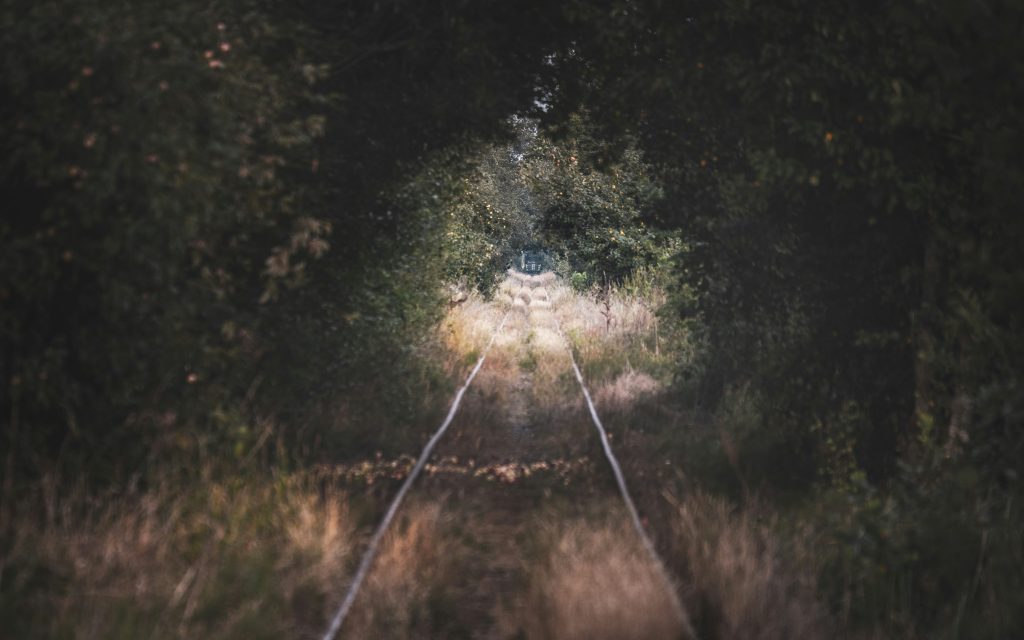
Nestled within Belarus, a substantial portion of the ancient Białowieża Forest, a UNESCO-listed site, stands as a testament to Europe’s ecological history. This forest, one of the last and most extensive remnants of primeval woodlands that once blanketed the continent, is a sanctuary for biodiversity. Renowned for its untouched beauty, Białowieża is particularly significant for hosting the European bison, an emblematic species that finds refuge within its expansive confines.
For nature enthusiasts and wildlife lovers, the forest offers a unique opportunity to witness the splendor of an ecosystem largely unchanged for centuries. The intertwining of diverse ecosystems within the Białowieża Forest creates a haven for flora and fauna, making it an invaluable heritage site. Visitors can immerse themselves in the untouched landscapes, experiencing the symbiotic relationship between ancient woodlands and the captivating European bison, emblematic of the delicate balance of nature within this UNESCO-protected treasure.
The Capital, Minsk:
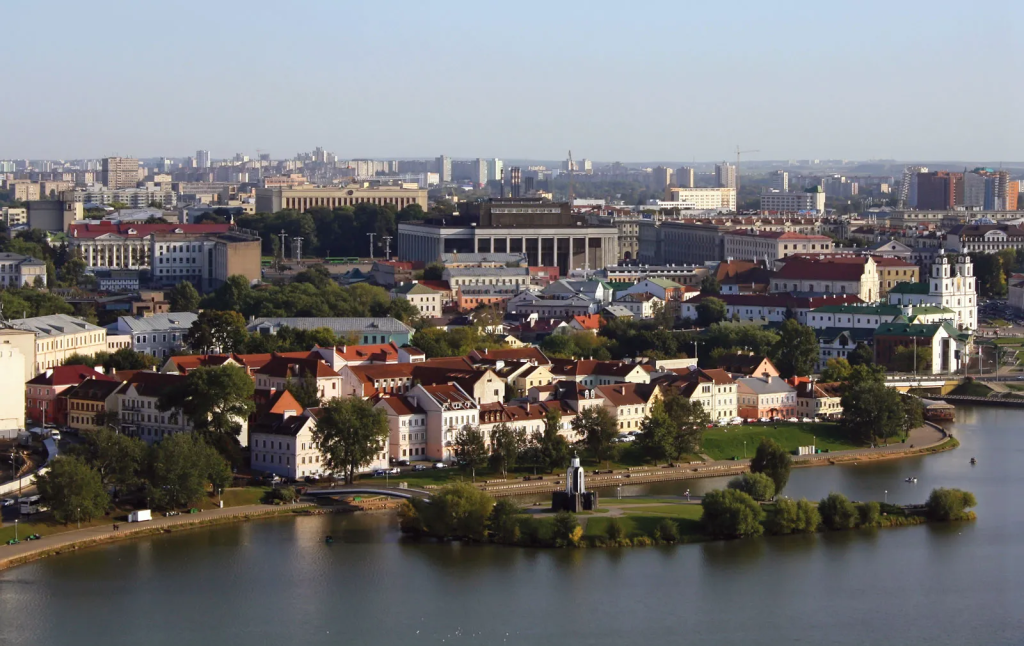
Minsk, the capital city of Belarus, stands as a modern metropolis where echoes of its Soviet history harmonize with contemporary developments. Despite the lingering traces of its past, Minsk has transformed through substantial urban evolution. The city now boasts vibrant parks, impressive architectural landmarks, and a burgeoning cultural scene that collectively define its present identity.
In Minsk, remnants of the Soviet era coexist with a dynamic cityscape, showcasing a harmonious blend of history and progress. Strolling through the streets, visitors encounter striking examples of modern architecture alongside landmarks that reflect a bygone era. The city’s commitment to green spaces is evident in its vibrant parks, providing both locals and visitors with recreational sanctuaries. Minsk’s evolving cultural scene, marked by theaters, museums, and contemporary art spaces, contributes to its dynamic character. As a result, Minsk captivates visitors with a multifaceted experience, where history and modernity converge in this evolving urban landscape.
Khatyn Memorial Complex:
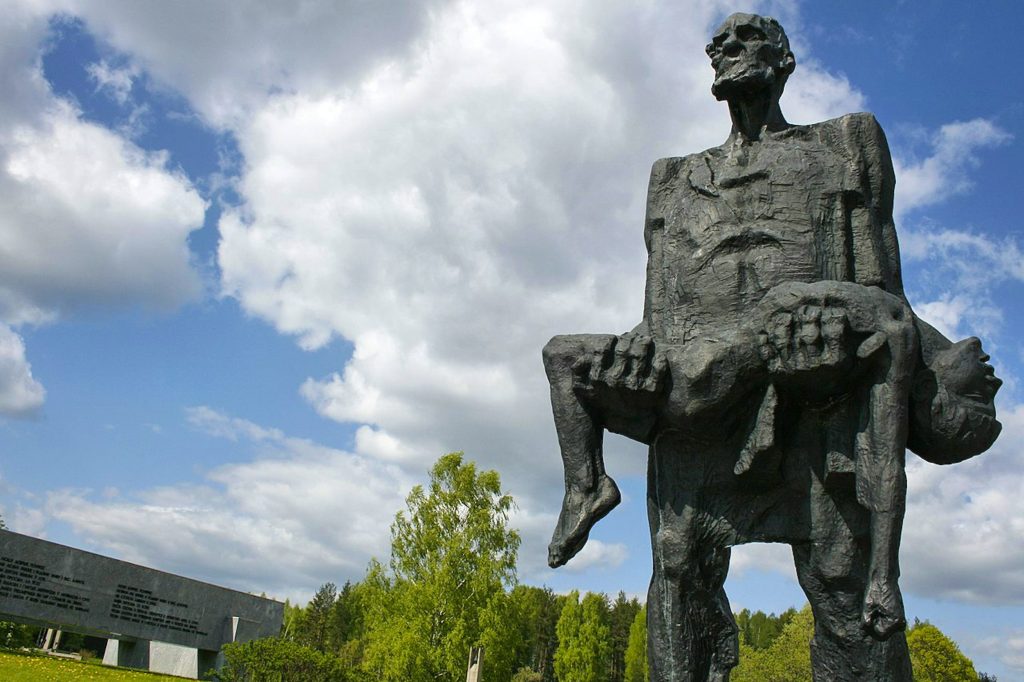
World War II inflicted profound suffering upon Belarus, resulting in significant population loss. The Khatyn Memorial Complex solemnly stands as a poignant testament to the wartime tragedies that befell the nation. This memorial is a heartfelt homage to the lives lost in the village of Khatyn, encapsulating the broader impact of the war on Belarusian society.
Khatyn, a symbol of collective grief, embodies the resilience of a nation that bore the brunt of conflict. The memorial complex preserves the memory of those who perished and serves as a stark reminder of the profound human cost of war. The haunting echoes of history resonate through the symbolic architecture and poignant sculptures, creating a space for reflection and remembrance. In honoring the sacrifices made, the Khatyn Memorial stands as a timeless tribute to the enduring spirit of the Belarusian people in the face of wartime adversity.
The Land of Lakes:
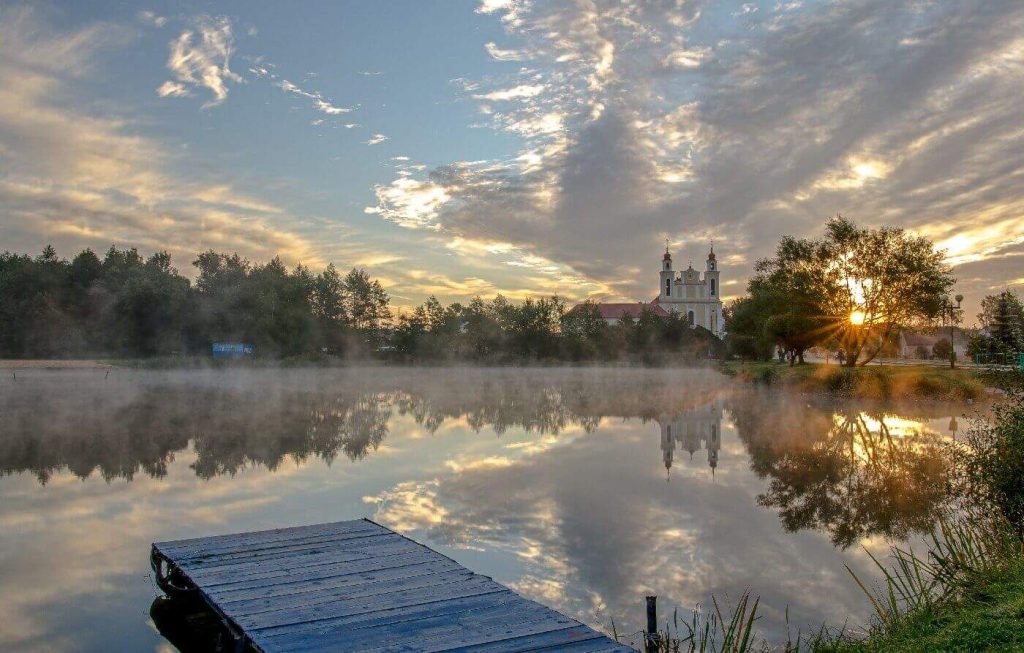
Belarus, renowned for its picturesque landscapes, boasts an impressive array of over 11,000 lakes scattered throughout the country. Each of these lakes exudes its own distinctive charm, inviting visitors to partake in the tranquil beauty that defines Belarusian nature. These natural water bodies become havens for diverse recreational activities, including fishing, water sports, and leisurely strolls along their serene shores.
Whether nestled within dense forests or dotting expansive plains, Belarusian lakes create idyllic settings for those seeking respite and connection with nature. The country’s commitment to preserving its pristine environments ensures that each lake remains a testament to the unspoiled beauty of the region. Whether casting a fishing line, gliding across the water’s surface on a boat, or simply enjoying a peaceful walk along the shoreline, Belarus’s abundant lakes provide a canvas of tranquility for both locals and visitors alike, forming an integral part of the country’s natural allure.
Diverse Cultural Heritage:

Belarus takes immense pride in its vibrant cultural heritage, a tapestry woven with folklore, traditional crafts, and distinctive music. The country invites visitors to immerse themselves in the essence of Belarusian identity, where the warmth of hospitality is palpable, especially during local festivals.
Throughout Belarus, these festivals serve as lively showcases of the nation’s rich cultural tapestry. Traditional dances, echoing with centuries-old rhythms, come to life, while melodious songs tell stories of the country’s history. Skilled artisans proudly exhibit their traditional crafts, from intricate embroidery to woodwork, offering a glimpse into Belarus’s artisanal legacy.
These cultural celebrations become portals into the heart of Belarusian traditions, fostering a sense of connection and community. Visitors find themselves enveloped in the welcoming spirit of the Belarusian people, who generously share their cultural treasures. Through the vivacity of festivals, Belarus opens its arms, inviting all to partake in the enduring legacy of its folk traditions and celebrate the cultural richness that defines this enchanting nation.
Polotsk – One of the Oldest Cities in Belarus:
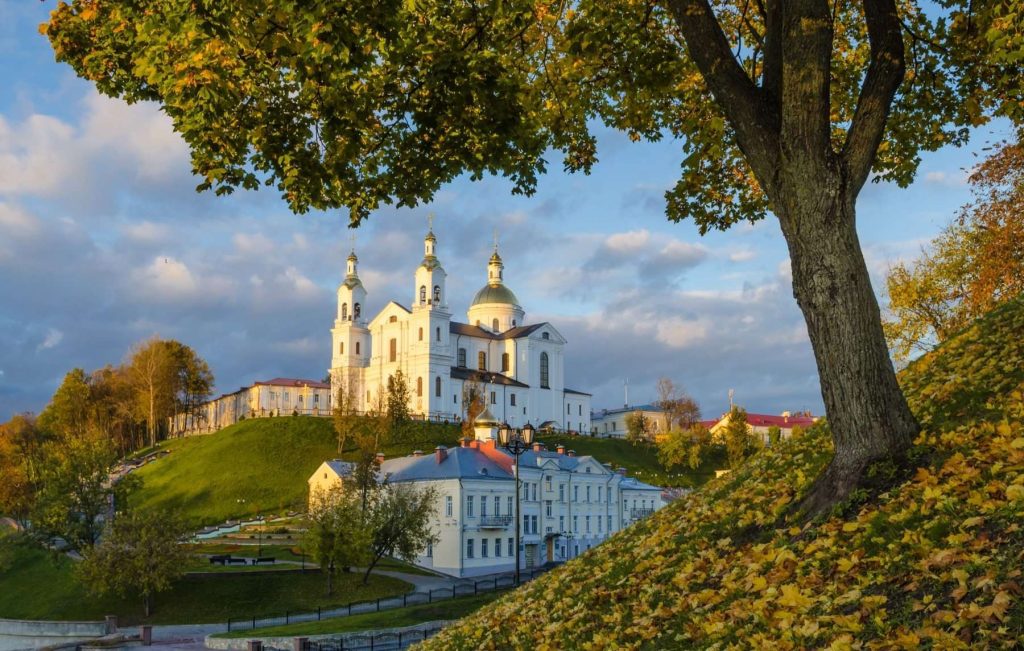
Belarus proudly showcases its historical legacy through ancient cities, and Polotsk stands as one of the oldest, with a history spanning over a millennium. Dating back to medieval times, Polotsk was a pivotal center of trade and culture, contributing significantly to the region’s historical tapestry. Today, the city’s well-preserved architecture, notably the St. Sophia Cathedral, offers a captivating journey into Belarus’s rich past.
The St. Sophia Cathedral, a testament to medieval craftsmanship, stands as a focal point of Polotsk’s historical landscape. Its architectural grandeur reflects the city’s former importance, while the surrounding streets and structures add depth to the narrative of Belarusian heritage. As visitors traverse the cobblestone paths and explore the city’s landmarks, they are transported back in time, gaining insight into the cultural and historical significance that Polotsk proudly embodies within the broader context of Belarus’s enduring history.
The Belarusian Language:

In Belarus, the linguistic landscape is characterized by the widespread use of Russian, yet the Belarusian language holds a unique and integral role in the country’s identity. Notably, Belarusian boasts its distinct alphabet, setting it apart from the Cyrillic script employed in Russian. This linguistic divergence reflects the nation’s commitment to preserving its cultural heritage.
Visitors to Belarus might be intrigued to discover the significance attached to the Belarusian language, a linguistic symbol deeply intertwined with national identity. The distinct alphabet serves as a visual representation of this linguistic uniqueness. Ongoing efforts within the country underscore a dedication to the preservation and promotion of the Belarusian language, not merely as a mode of communication but as a cultural emblem. As Belarus strives to maintain the vitality of its linguistic traditions, the Belarusian language remains a poignant expression of the nation’s identity and cultural richness.
Nesvizh Castle – A UNESCO Marvel:
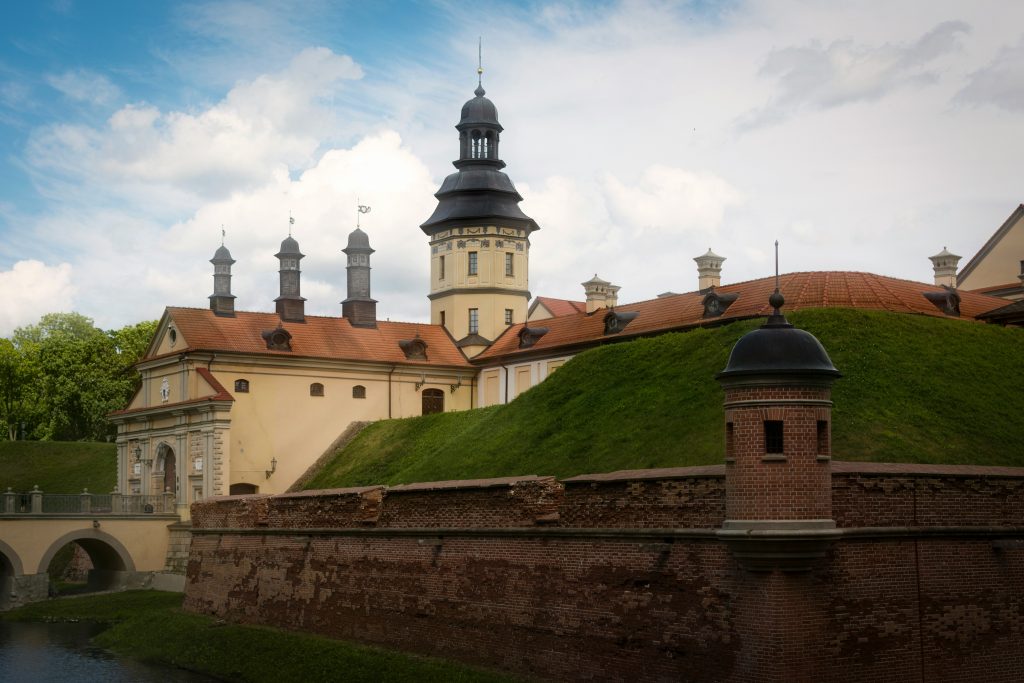
Nesvizh Castle, recognized as a UNESCO World Heritage Site, stands as a captivating architectural masterpiece within Belarus. The castle, adorned with intricate architecture and surrounded by enchanting gardens, has played diverse roles throughout history, evolving from a noble family residence to a site of profound cultural significance. Its storied past is woven into the very fabric of Belarus’s rich historical and architectural heritage.
The castle’s architectural allure, characterized by its ornate details and elegant design, reflects the craftsmanship of bygone eras. From serving as a residence for noble families to witnessing historical events, Nesvizh Castle embodies the multifaceted layers of Belarusian history. Today, as a preserved heritage site, it stands proudly, allowing visitors to traverse its halls, appreciate its gardens, and immerse themselves in the echoes of a bygone era, making Nesvizh Castle an enduring symbol of Belarus’s cultural and historical legacy.
The Great Patriotic War Museum in Minsk:
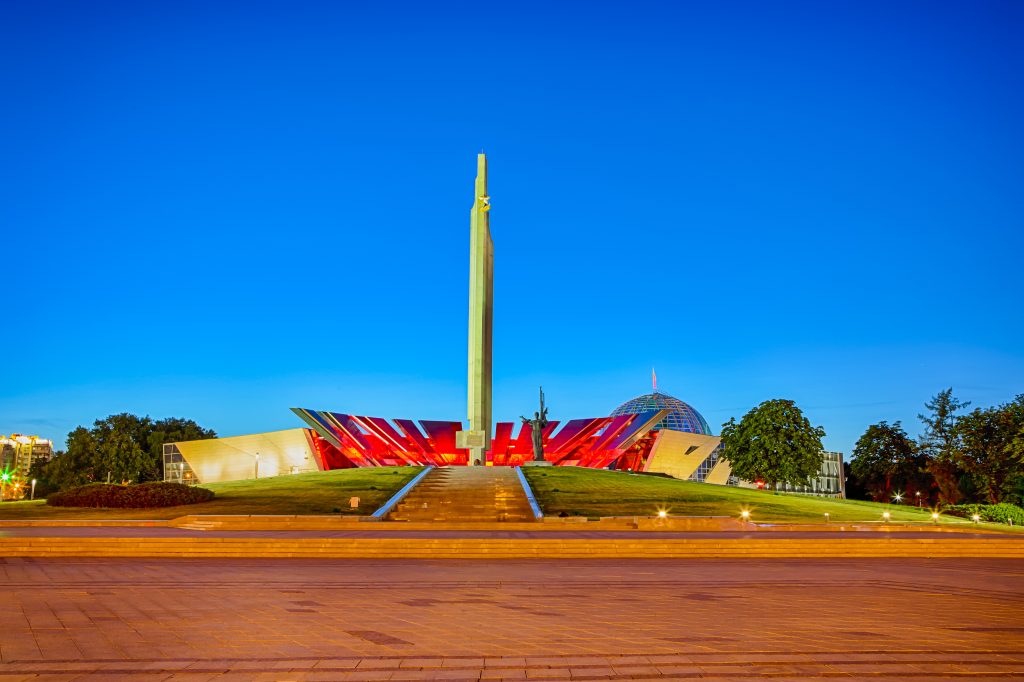
Minsk hosts the remarkable Great Patriotic War Museum, a solemn tribute to the Belarusians who played pivotal roles in World War II. Devoted to preserving the memory of wartime sacrifices, the museum offers a comprehensive exploration of Belarus’s wartime experience. Within its walls, visitors encounter poignant exhibits, artifacts, and memorials that serve as powerful testaments to the indomitable spirit of the Belarusian people during the war.
The Great Patriotic War Museum stands as a repository of collective memory, recounting stories of resilience and bravery. Through carefully curated displays, it provides insight into the multifaceted aspects of the country’s wartime history. The exhibits not only honour the sacrifices made but also contribute to a deeper understanding of the profound impact of World War II on Belarus. In commemorating the wartime legacy, the museum stands as a living tribute to the enduring strength and fortitude of the Belarusian nation.
Vibrant Festivals:

In Belarus, the spirit of celebration is ingrained in the culture, with a diverse array of vibrant festivals held throughout the year. From the prestigious Minsk International Film Festival to the Slavianski Bazaar in Vitebsk, dedicated to celebrating Slavic music and culture, and the enchanting Kupala Night festivities, the country offers a tapestry of lively and colourful traditions for visitors to explore.
The Minsk International Film Festival showcases global cinematic talent, attracting film enthusiasts from near and far. Meanwhile, the Slavianski Bazaar in Vitebsk transforms the city into a lively hub of Slavic creativity, where music and culture intertwine in a joyous celebration. Kupala Night festivities, rooted in ancient traditions, add a touch of mysticism to the festivities, creating an immersive experience for those eager to partake in Belarusian traditions. These festivals not only entertain but also provide a gateway for visitors to embrace the dynamic and festive spirit that defines Belarusian cultural life.
FAQs:-
Q1: What is the significance of the Mir Castle Complex in Belarus?
A: The Mir Castle Complex in Belarus is a UNESCO World Heritage Site, dating back to the 16th century. It is a splendid example of architectural fusion, blending Gothic, Baroque, and Renaissance styles. The castle reflects Belarus’s rich cultural and architectural heritage and stands as a testament to the country’s historical and aesthetic evolution.
Q2: Why is the Białowieża Forest important in Belarus?
A: The Białowieża Forest, located in Belarus, is a UNESCO-listed site and one of the last remnants of primeval woodlands in Europe. It is significant for biodiversity and serves as a sanctuary for the European bison. Visitors can experience untouched landscapes, showcasing the delicate balance of nature within this UNESCO-protected treasure.
Q3: How has Minsk, the capital of Belarus, transformed over the years?
A: Minsk has undergone substantial urban evolution, harmonizing its Soviet history with contemporary developments. The city now features vibrant parks, impressive architecture, and a dynamic cultural scene. Remnants of the Soviet era coexist with modern structures, creating a multifaceted urban landscape.
Q4: What is the Khatyn Memorial Complex in Belarus?
A: The Khatyn Memorial Complex in Belarus commemorates the tragic impact of World War II on the nation. It specifically honors the lives lost in the village of Khatyn and serves as a poignant reminder of wartime suffering. The memorial stands as a timeless tribute to the enduring spirit of the Belarusian people in the face of adversity.
Q5: How many lakes does Belarus have, and what recreational activities do they offer?
A: Belarus boasts over 11,000 lakes, scattered throughout the country. These lakes provide idyllic settings for fishing, water sports, and leisurely strolls along their serene shores. Each lake has its own distinctive charm, contributing to the picturesque landscapes that define Belarusian nature.
Q6: What is unique about the Belarusian language?
A: The Belarusian language holds a unique and integral role in the country’s identity. It has its distinct alphabet, setting it apart from the Cyrillic script used in Russian. The linguistic divergence reflects Belarus’s commitment to preserving its cultural heritage, making the Belarusian language a poignant expression of the nation’s identity.
Q7: Why is Polotsk considered one of the oldest cities in Belarus?
A: Polotsk has a history spanning over a millennium, dating back to medieval times. It was a pivotal center of trade and culture, contributing significantly to the region’s historical tapestry. The well-preserved St. Sophia Cathedral and surrounding landmarks offer insights into Belarus’s rich past.
Q8: What makes Nesvizh Castle a UNESCO marvel?
A: Nesvizh Castle, recognized as a UNESCO World Heritage Site, is an architectural masterpiece in Belarus. Adorned with intricate details and surrounded by enchanting gardens, the castle’s storied past reflects Belarus’s rich historical and architectural heritage.
Q9: What does the Great Patriotic War Museum in Minsk commemorate?
A: The Great Patriotic War Museum in Minsk is dedicated to preserving the memory of Belarusians who played pivotal roles in World War II. It offers a comprehensive exploration of Belarus’s wartime experience through exhibits, artifacts, and memorials, paying tribute to the indomitable spirit of the Belarusian people.
Q10: What are some vibrant festivals in Belarus?
A: Belarus hosts diverse festivals throughout the year, including the Minsk International Film Festival, Slavianski Bazaar in Vitebsk celebrating Slavic music and culture, and the Kupala Night festivities rooted in ancient traditions. These festivals showcase the dynamic and festive spirit that defines Belarusian cultural life.