
Venice, the floating city of canals, is an enchanting destination that has captivated the hearts of travelers for centuries. While its romantic ambiance and iconic landmarks are well-known, there are hidden facets of this unique city that often escape the spotlight. In this blog, we will delve into five intriguing facts about Venice that may surprise you. From the mysterious “Acqua Alta” phenomenon to the innovative engineering behind its iconic gondolas, Venice holds secrets and tales that add layers to its charm. Join us on this journey of discovery as we uncover the lesser-known aspects of this extraordinary city.
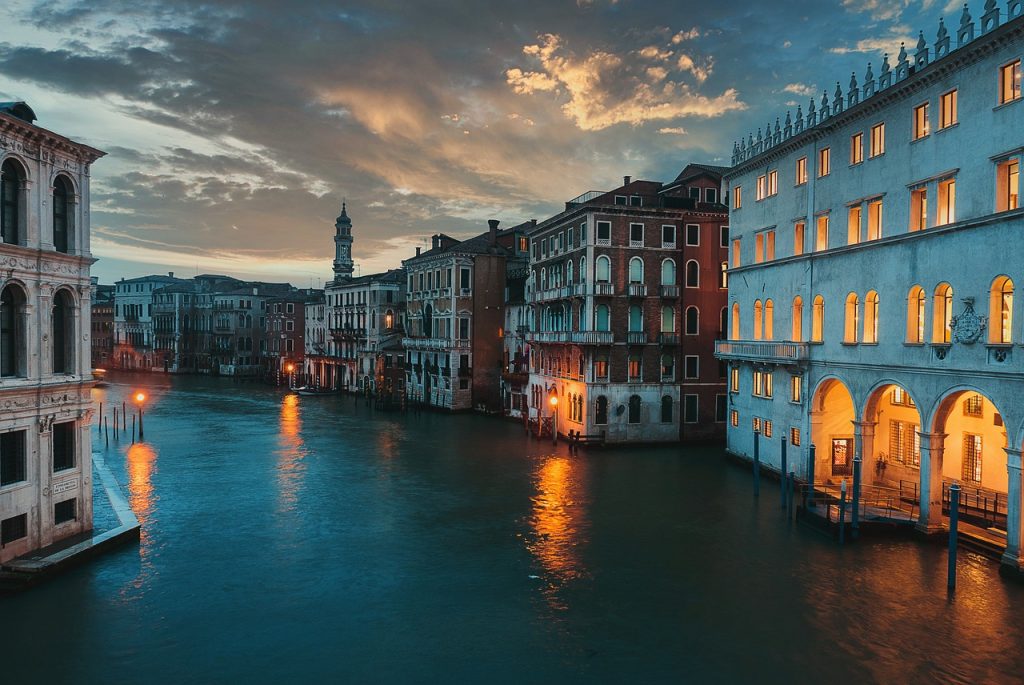
1. Acqua Alta: The Enigmatic High Water Events
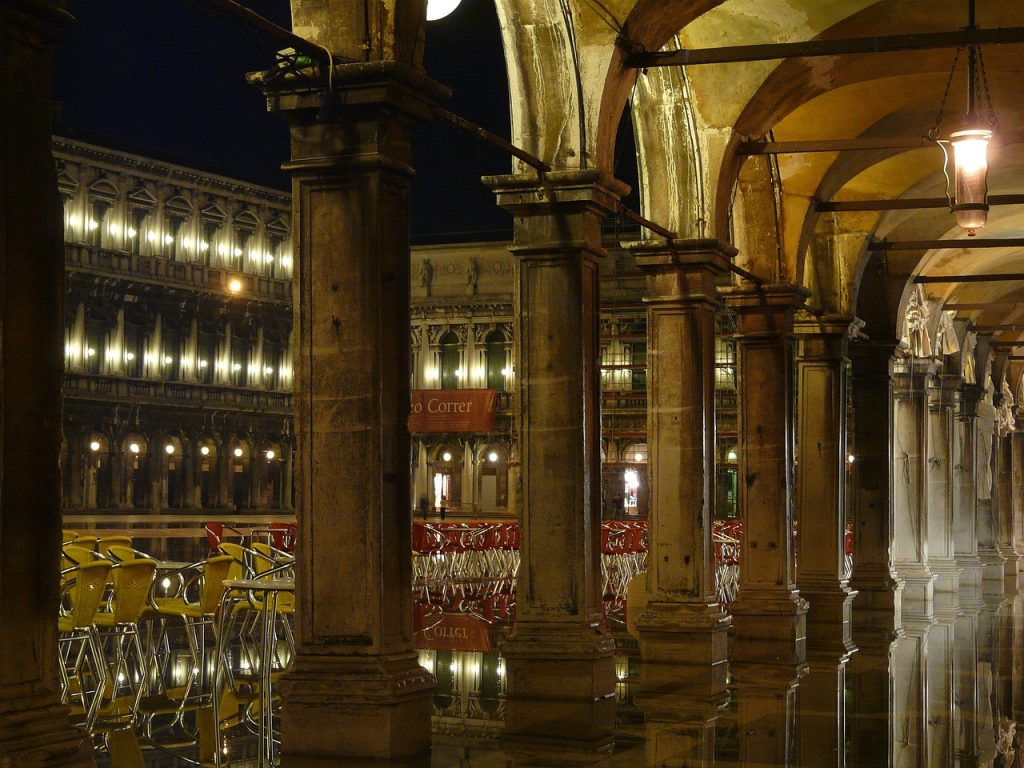
Venice is no stranger to high water, but the “Acqua Alta” phenomenon takes it to a whole new level – literally. Translating to “high water” in Italian, Acqua Alta refers to the periodic flooding of the city, causing water levels to rise significantly. What makes this natural event fascinating is its predictability and the locals’ ingenious response.
During Acqua Alta, elevated wooden walkways, known as “pontoon” bridges, are strategically placed across the main thoroughfares, allowing residents and visitors to navigate the inundated streets without getting their feet wet. The system is a testament to Venetians’ adaptability and resilience, turning an otherwise challenging situation into an opportunity to showcase their innovative spirit.
2. Gondolas: More Than Meets the Eye
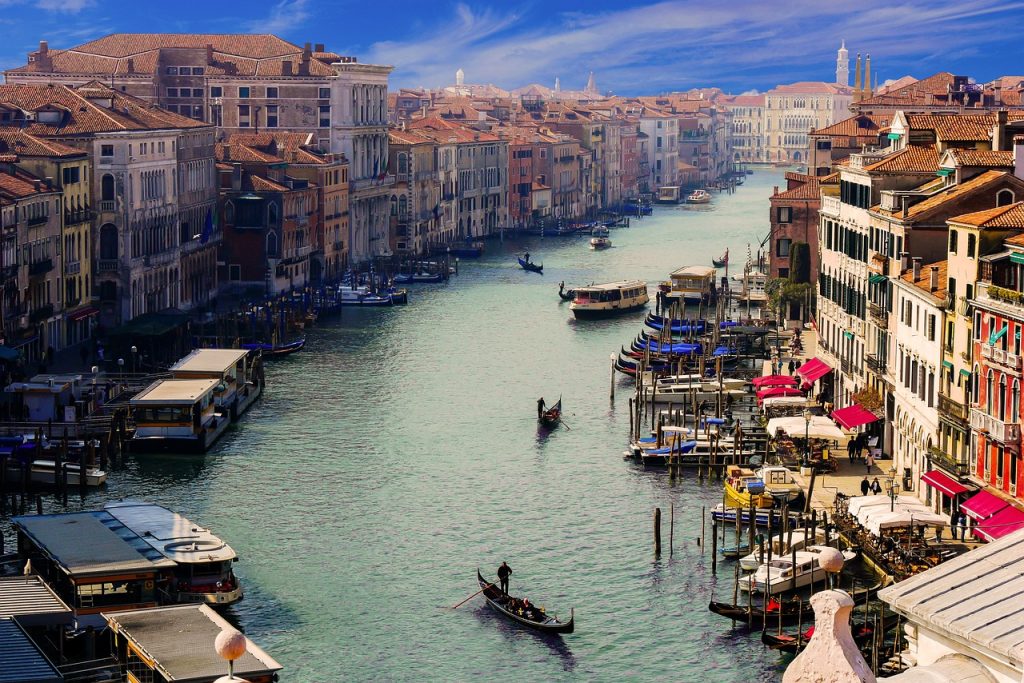
The iconic gondolas of Venice are synonymous with romance and tradition, but there’s more to these graceful boats than meets the eye. Did you know that each gondola is a carefully crafted masterpiece, and no two are exactly alike?
Crafting a gondola is a highly specialized skill passed down through generations. The unique design serves both aesthetic and functional purposes. The asymmetry of the gondola, with a slightly tilted wooden structure, helps balance the weight of the gondolier, ensuring a smooth and easy rowing motion. Additionally, the six prongs at the front represent the six districts of Venice, while the curved top symbolizes the Doge’s cap.
While the gondola rides may seem like a quintessential tourist experience, they are an integral part of Venetian history and culture, embodying centuries of craftsmanship and tradition.
3. Libreria Acqua Alta: A Book Lover’s Haven
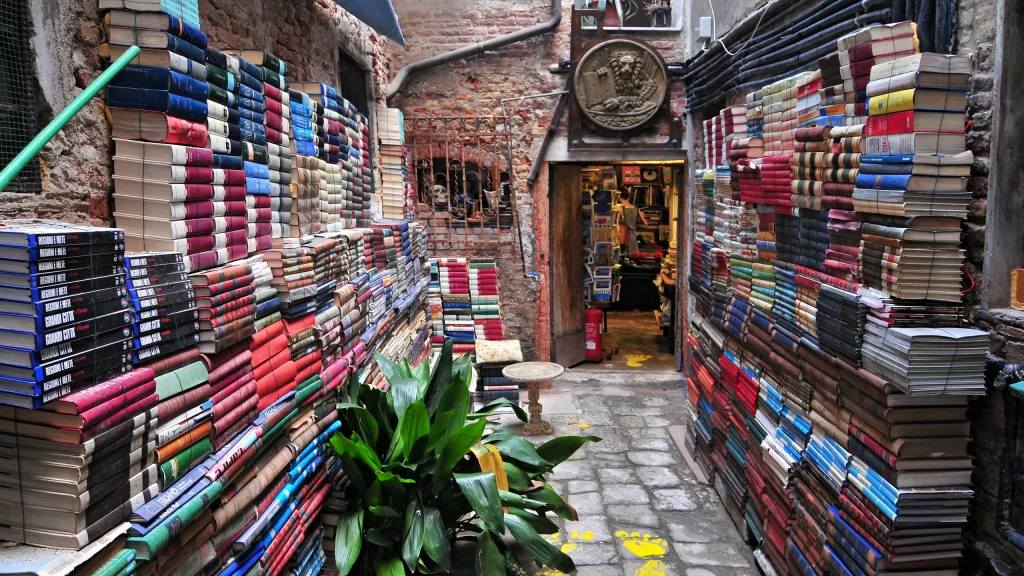
For book enthusiasts, Venice holds a charming secret: Libreria Acqua Alta, a bookstore that has transformed the challenge of frequent flooding into an artful display. Known as the “High Water Bookshop,” this unique establishment is home to a delightful assortment of books, stacked in bathtubs, waterproof bins, and even a gondola.
Libreria Acqua Alta has become a haven for bibliophiles seeking a novel experience. Navigating through the stacks, visitors can uncover both new and second-hand books, enjoying the whimsical setting created by the ingenious use of boats and bathtubs. It’s a testament to the Venetian spirit of embracing challenges with creativity, turning a potential inconvenience into a charming attraction.
4. Murano Glass: A Dazzling Artistry
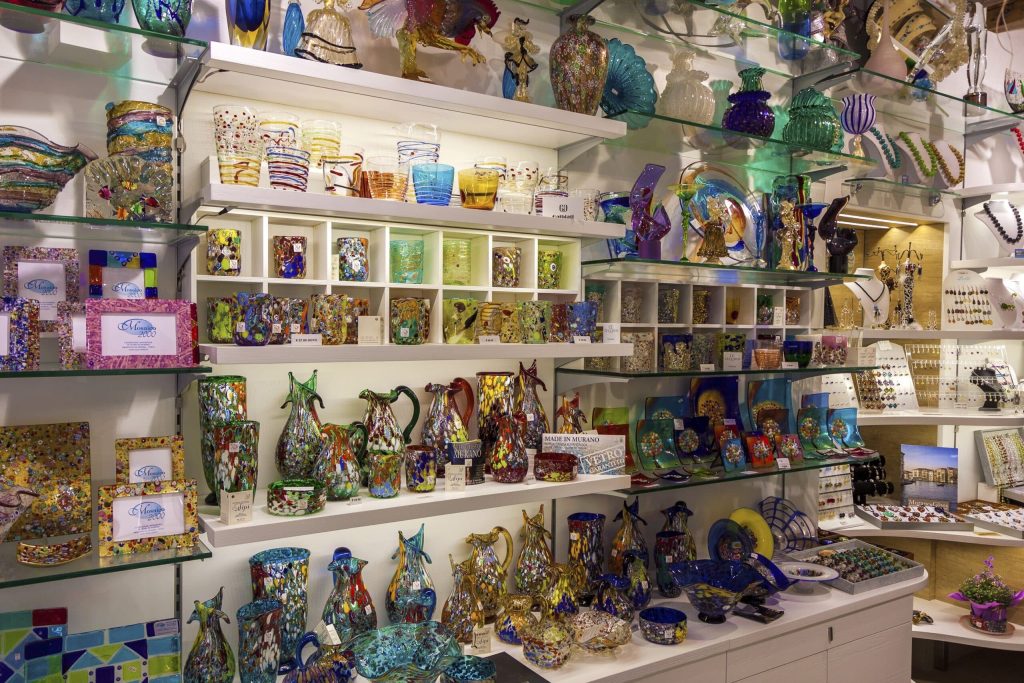
Just a short boat ride from the main island, the small island of Murano is renowned for its centuries-old tradition of glassmaking. Murano glass is synonymous with exquisite craftsmanship and vibrant artistry that has stood the test of time.
One fascinating fact about Murano glass is the strict regulation surrounding its production. The “Consortium for the Protection of Murano Glass” ensures that authentic Murano glass products are created on the island by skilled artisans. This commitment to quality control has preserved the legacy of Murano glass, preventing imitation and protecting the art form’s integrity.
Visitors to Murano can witness live glass-blowing demonstrations, gaining insight into the intricate process of transforming molten glass into intricate sculptures, chandeliers, and colorful trinkets. It’s a mesmerizing experience that adds a layer of appreciation for the artistry embedded in Venetian culture.
5. The Casanova Connection
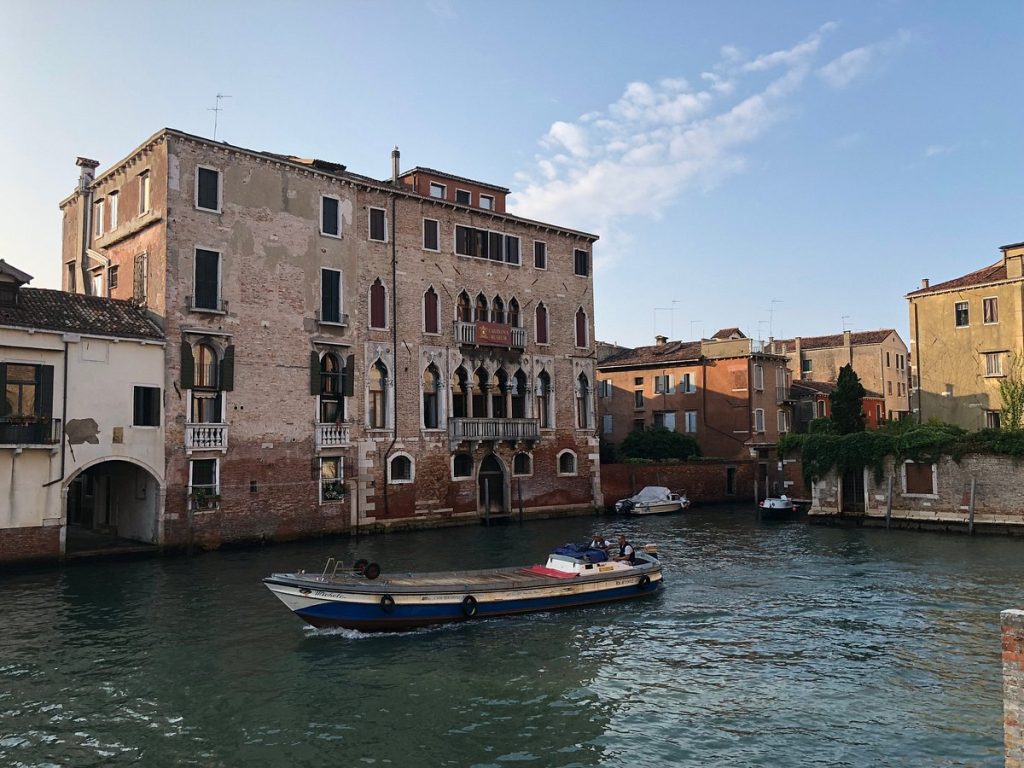
Venice is not only a city of canals and captivating architecture but also the birthplace of one of history’s most infamous figures: Giacomo Casanova. Known for his reputation as a charming womaniser, Casanova’s life and exploits in Venice are interwoven with the city’s rich history.
What many may not know is that Casanova had a diverse career beyond his romantic escapades. He worked as a spy, diplomat, and even as a librarian. In his later years, he penned his memoir, “Story of My Life,” providing an intimate and often scandalous account of his adventures.
For those intrigued by Casanova’s legacy, there’s a museum dedicated to him in Venice, located in the Palazzo Pesaro Papafava. The museum showcases not only the romantic side of Casanova but also sheds light on his intellectual pursuits, offering a more comprehensive view of this enigmatic Venetian.
Venice, with its winding canals and historic charm, continues to unveil its secrets to those willing to explore beyond the well-trodden paths. From the practical ingenuity of dealing with Acqua Alta to the artistic brilliance of Murano glass, each facet adds depth to the city’s allure. Whether you’re a history buff, a hopeless romantic, or an avid reader, Venice has something unique to offer. As you traverse its cobblestone streets and navigate its waterways, keep an eye out for these fascinating facts that reveal the hidden treasures of this timeless city. Venice, after all, is not just a destination; it’s a living tapestry woven with threads of history, culture, and ingenuity.
FAQ:-
Q1: Why does Venice experience Acqua Alta, and how often does it occur?
Acqua Alta, or high water, is caused by a combination of astronomical tide cycles, wind patterns, and the city’s subsidence. It occurs several times a year, with the frequency varying. The most common period is during the winter months.
Q2: Are gondolas in Venice purely for tourist purposes, or do locals use them?
While gondolas have become synonymous with tourism, they were historically the primary mode of transportation for Venetians. Today, gondolas are mainly used for tourism, and locals rely on other forms of transport like vaporettos and water taxis.
Q3: How are books protected from flooding at Libreria Acqua Alta?
Libreria Acqua Alta ingeniously uses waterproof bins, bathtubs, and even a gondola to stack books, protecting them from occasional flooding. This creative approach turns the challenge of high water into an artistic and whimsical display.
Q4: What makes Murano glass unique, and how can I ensure its authenticity?
Murano glass is renowned for its exquisite craftsmanship. To ensure authenticity, look for the “Vetro Artistico Murano” trademark, indicating that the glass is produced on the island. The Consortium for the Protection of Murano Glass regulates and protects the quality of Murano glass.
Q5: What is the significance of the Casanova Museum in Venice?
The Casanova Museum in Palazzo Pesaro Papafava offers insight into the life of Giacomo Casanova beyond his romantic exploits. It explores his varied career, including roles as a spy, diplomat, and librarian, providing a more comprehensive understanding of this enigmatic historical figure.
Q6: Can I visit Murano easily from Venice, and what should I expect to see?
Yes, Murano is easily accessible from Venice by a short boat ride. In Murano, visitors can witness live glass-blowing demonstrations, explore numerous glass shops, and appreciate the island’s rich glassmaking heritage.
Q7: How can I best experience Acqua Alta as a visitor without disruptions?
Embrace Acqua Alta by wearing waterproof footwear and navigating the city’s elevated walkways during high water. Consider visiting during this period to witness the city’s unique adaptation to this natural event.
Q8: Are there guided tours available for exploring the hidden gems of Venice beyond the well-known attractions?
Yes, several guided tours cater to those wanting to explore the lesser-known aspects of Venice. These tours often include visits to hidden churches, artisan workshops, and off-the-beaten-path neighborhoods, providing a more authentic and immersive experience of the city.