
Italy, a country renowned for its rich history, captivating landscapes, and charming towns, is home to a unique gem that stands out among the rest—Alberobello. Nestled in the picturesque region of Apulia, Alberobello captivates visitors with its distinctive Trulli, traditional cone-shaped houses that have become synonymous with the town’s enchanting charm. In this exploration of Alberobello, we delve into the history, architecture, culture, culinary delights, and overall allure that makes this Italian town a must-visit destination.
A Trulli Marvelous: History of Alberobello
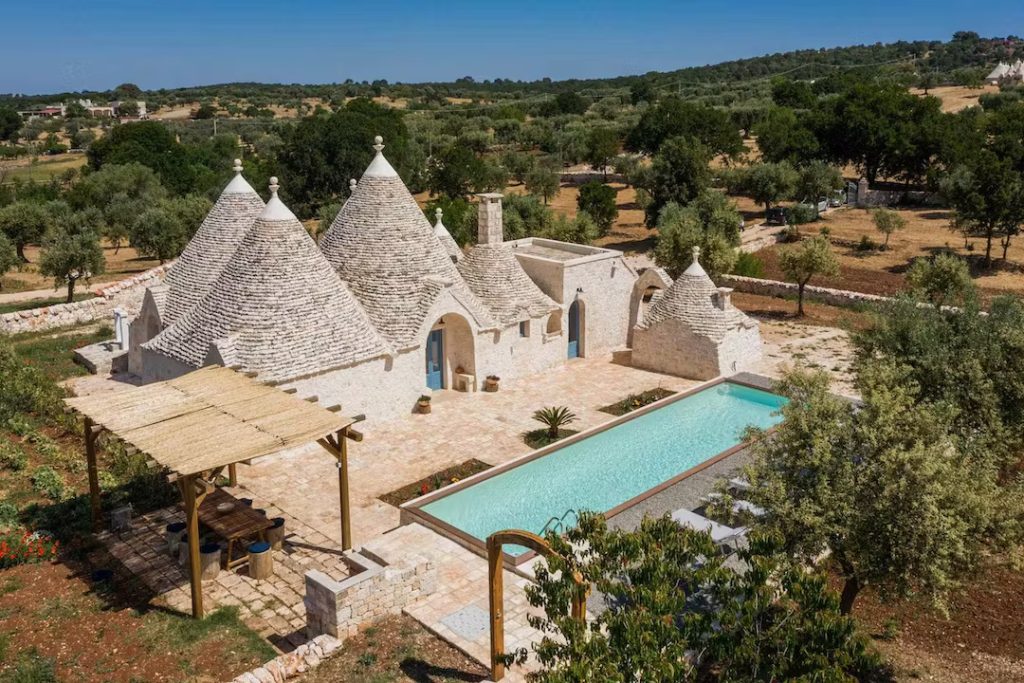
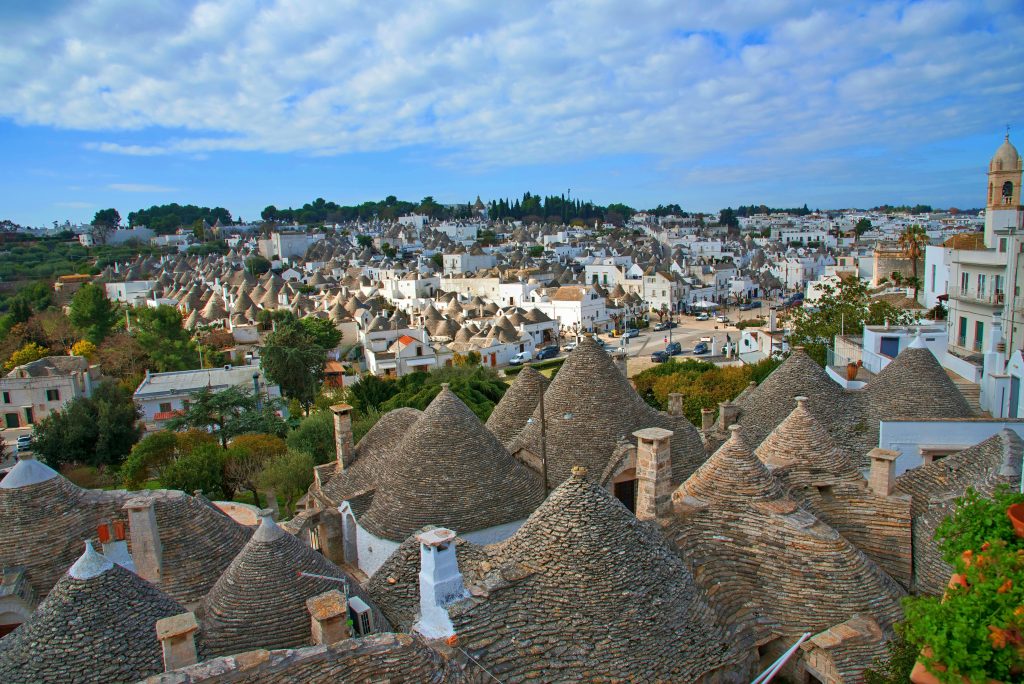
Alberobello’s history is intricately tied to the fascinating architecture of its Trulli. These whitewashed limestone structures, topped with conical roofs, give the town a fairytale-like appearance. The origins of the Trulli date back to the 14th century, and walking through the narrow streets of Alberobello is like stepping into a living history book.
The Trulli were initially built as temporary structures to avoid taxes imposed on permanent dwellings. However, over the centuries, the people of Alberobello embraced this unique architectural style, and it has become an integral part of the town’s identity. Today, Alberobello is a UNESCO World Heritage site, recognized for its exceptional cultural significance and the preservation of this distinctive construction style.
Exploring the Trulli Districts
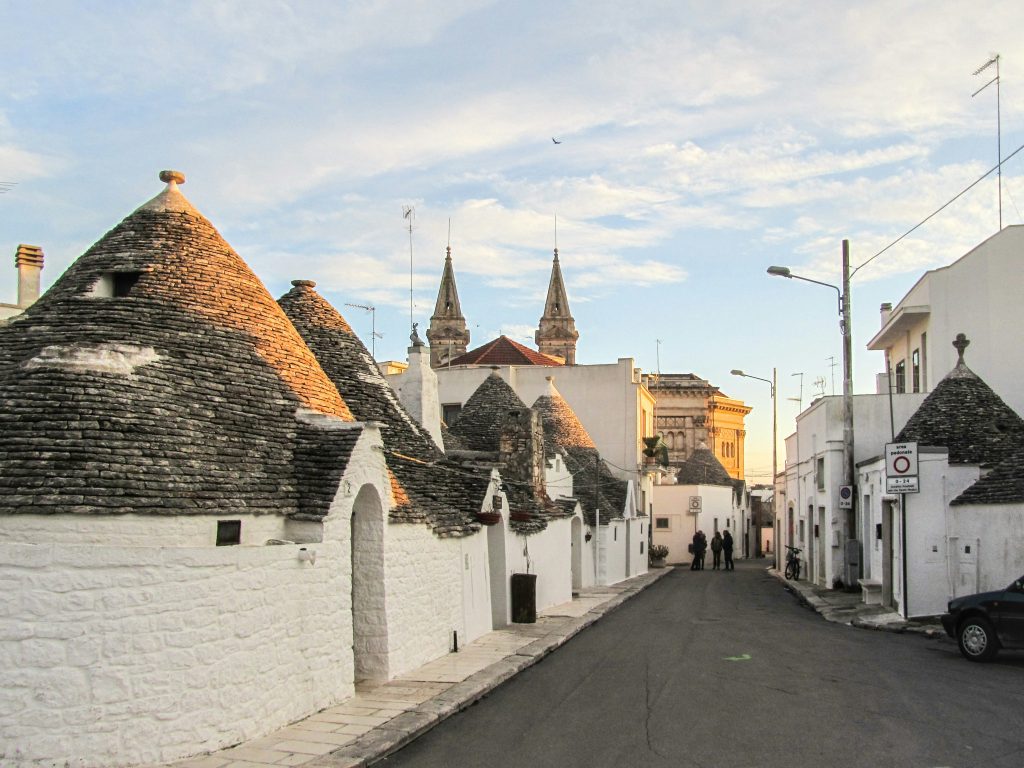
Alberobello is divided into two main districts: Rione Monti and Aia Piccola, both of which boast a mesmerizing array of trulli. Rione Monti, the larger of the two, is a maze of winding streets adorned with over a thousand trulli, creating a surreal atmosphere that transports visitors to another era. Aia Piccola, on the other hand, offers a more intimate experience, with fewer tourists and a quieter ambiance.
Wandering through these districts feels like entering a whimsical village frozen in time. Each trullo is a unique work of art, with intricate symbols painted on the conical roofs, believed to bring good luck and protection. Exploring the interior of some trulli, which now serve as museums or shops, provides insights into the daily lives of the people who once called these whimsical structures home.
The Trullo Sovrano: A Royal Residence
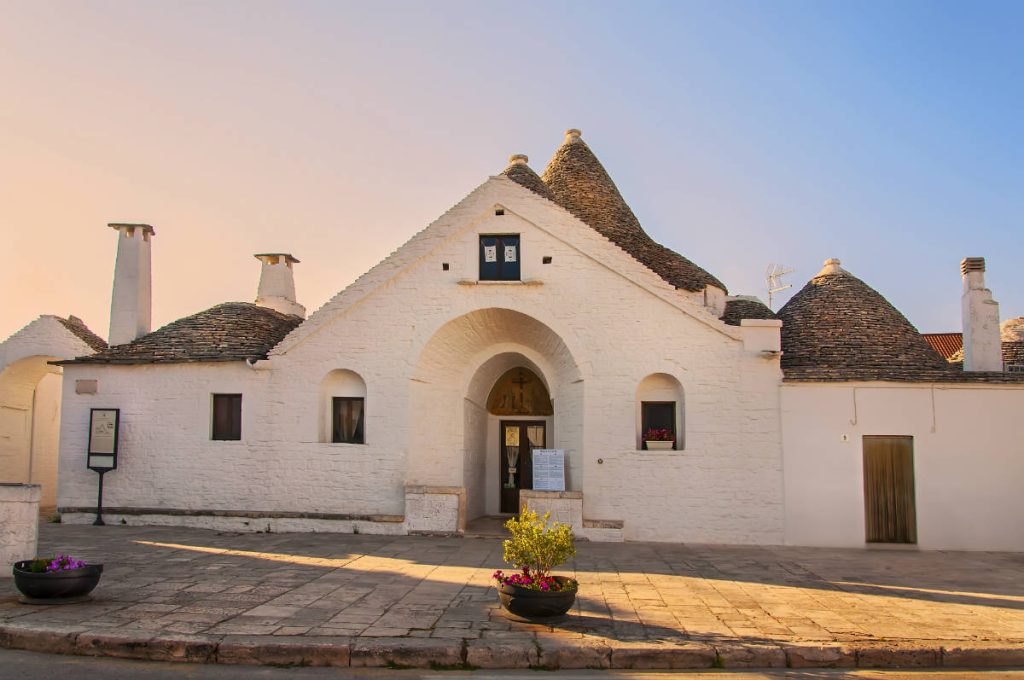
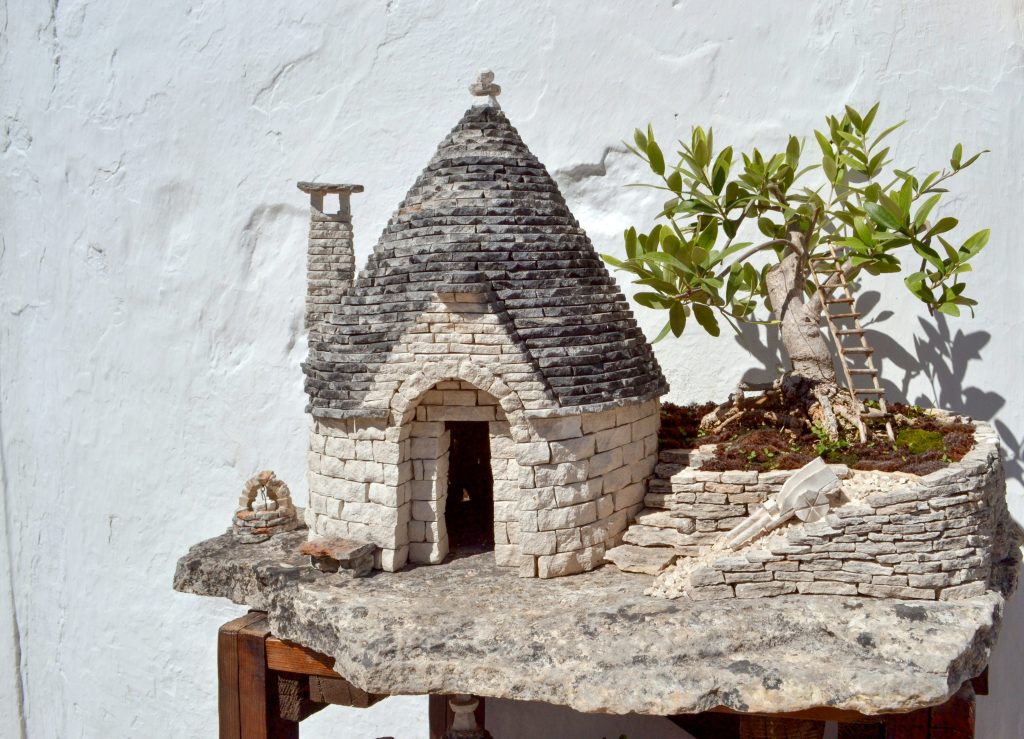
For a deeper understanding of the trulli architecture and Alberobello’s history, a visit to Trullo Sovrano is a must. This unique trullo, distinct from the others due to its two stories, serves as a fascinating museum. Step inside to discover the intricate details of trulli construction, from the traditional stone flooring to the cone-shaped roofs crafted without the use of mortar.
Trullo Sovrano, once a residence for the local nobleman, showcases the evolution of Trulli over the centuries. Exploring its rooms and chambers provides a glimpse into the lifestyle of the town’s wealthier inhabitants and offers a richer understanding of the architectural marvel that defines Alberobello.
Cultural Riches: Alberobello’s Heritage
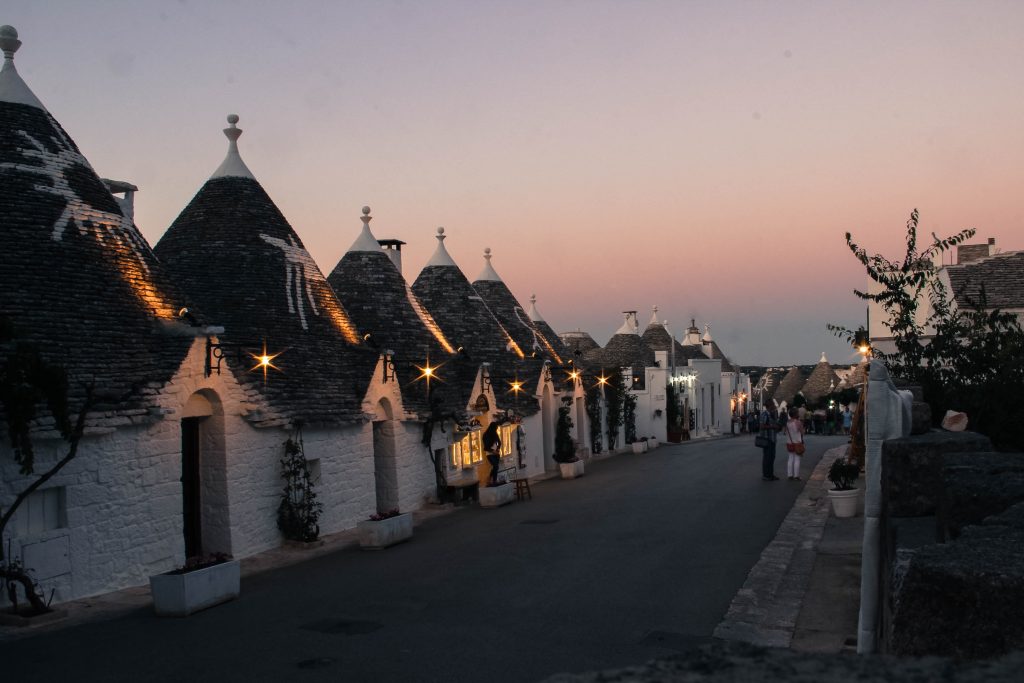
Alberobello is not just a showcase of unique architecture; it’s a living testament to the rich cultural heritage of the Apulia region. The town’s history is intricately woven into its festivals, traditions, and the warmth of its people.
The locals take pride in preserving their traditions, and visitors are often welcome to join in the festivities. One such celebration is the “Rassegna dei Cantori di Corde,” a music festival that brings together local musicians to showcase the region’s folk music traditions. Another highlight is the Feast of Saints Cosmas and Damian, a religious celebration that transforms the town into a colourful spectacle with processions, traditional dances, and delicious local delicacies.
Culinary Delights: A Gastronomic Journey

No visit to Alberobello is complete without savouring the exquisite flavours of Apulian cuisine. The town’s restaurants, nestled within the charming Trulli structures, offer a culinary journey that tantalizes the taste buds.
Apulia’s cuisine is known for its simplicity and reliance on fresh, local ingredients. Visitors can indulge in dishes like orecchiette pasta with broccoli rabe, burrata cheese, and the region’s famous olive oil. The culinary experience is heightened by the warm hospitality of the locals, who take pride in sharing their gastronomic traditions.
Surrounding Beauty: Exploring the Apulia Region
While Alberobello is the crown jewel of the Apulia region, the surrounding area is equally captivating. Venturing beyond the Trulli town unveils a landscape dotted with ancient olive groves, vineyards, and historic towns.
A short drive takes you to the stunning town of Locorotondo, known for its circular layout and charming historical center. Martina Franca, another nearby gem, boasts elegant Baroque architecture and a lively atmosphere, especially during its annual opera festival.
For those seeking coastal charm, a visit to Polignano a Mare is a must. Perched on limestone cliffs overlooking the Adriatic Sea, this seaside town enchants with its crystal-clear waters, picturesque beaches, and a charming historic center.
Sustainable Tourism in Alberobello
As tourism continues to grow, Alberobello is taking steps to ensure sustainable practices. The town encourages responsible tourism, promoting eco-friendly initiatives to preserve its cultural and natural heritage. From waste reduction efforts to the promotion of local products, Alberobello is committed to maintaining its unique identity while minimizing its impact on the environment.
Alberobello stands as a testament to Italy’s ability to seamlessly blend history, architecture, culture, and gastronomy into a captivating tapestry. The trulli town’s unique charm, preserved traditions, and warm community spirit make it a destination that transcends the ordinary. As you stroll through the winding streets, savor local delicacies, and immerse yourself in the cultural riches of Alberobello, You will find that this charming town is not only a place to visit, but an experience that will linger in your heart; it’s a timeless allure that calls for travelers to come back and explore its wonders once again.
- Best Time & Place to See Northern Lights in Norway | Travel Guide

- Places to visit in Russia 2023-24: Making It a Beautiful Country

- Top 5 Reasons To Hire Professional Travel Agents In India

FAQs:-
Q: What is the history behind Alberobello’s unique trulli architecture?
A: The trulli architecture in Alberobello dates back to the 14th century when they were initially constructed as temporary structures to avoid taxes on permanent dwellings. Over time, the people embraced this unique style, leading to the town’s distinctive appearance. Today, Alberobello is a UNESCO World Heritage site, recognized for preserving this exceptional construction style.
Q: How are the trulli districts in Alberobello different from each other?
A: Alberobello is divided into two main districts: Rione Monti and Aia Piccola. Rione Monti is larger and features over a thousand trulli, creating a maze of winding streets with a more bustling atmosphere. Aia Piccola offers a quieter experience with fewer tourists, providing a more intimate exploration of the trulli.
Q: Can visitors enter the trulli in Alberobello?
A: Yes, some trulli in Alberobello are open to the public, serving as museums or shops. Exploring the interior provides insights into the daily lives of the people who once lived in these unique structures. Additionally, the Trullo Sovrano, a two-story trullo, is a fascinating museum that offers a deeper understanding of trulli architecture.
Q: What cultural events can visitors experience in Alberobello?
A: Alberobello celebrates its rich cultural heritage through events such as the “Rassegna dei Cantori di Corde,” a music festival showcasing local folk music traditions, and the Feast of Saints Cosmas and Damian, a religious celebration with processions, dances, and local delicacies. Visitors are often welcome to join in these festivities.
Q: What is the gastronomic scene like in Alberobello?
A: Alberobello offers a delightful gastronomic journey with restaurants nestled within Trulli structures. Local dishes include orecchiette pasta with broccoli rabe, burrata cheese, and the region’s famous olive oil. The town’s culinary experience is enhanced by the warm hospitality of the locals who take pride in sharing their gastronomic traditions.
Q: Are there other attractions in the Apulia region near Alberobello?
A: Yes, the Apulia region surrounding Alberobello is filled with captivating attractions. Locorotondo, known for its circular layout, Martina Franca with elegant Baroque architecture, and Polignano a Mare, a coastal town with stunning views of the Adriatic Sea, are just a short drive away.
Q: How is Alberobello promoting sustainable tourism?
A: Alberobello is committed to sustainable tourism practices, encouraging responsible tourism. The town implements eco-friendly initiatives, including waste reduction efforts and the promotion of local products, to preserve its cultural and natural heritage while minimizing its impact on the environment.